
A well thought out budget is one of the best tools for taking control of your finances. Whether you’re saving for a new car or your first house, or simply preparing for the unexpected, having a plan for your money can help you reach your financial goals with confidence.
The good news? Budgeting doesn’t have to be hard. By knowing how much money you earn, tracking your expenses, and planning ahead, you can create a budget that fits your lifestyle and helps you make informed financial decisions.
A budget is a financial plan that outlines your expected income and expenses over a specific period of time, typically a month or a year.
There is no one-size-fits all approach to budgeting. The best budget is one that fits your lifestyle and is easy to stick with. Take a look at these popular budgeting methods to find one that fits your needs.
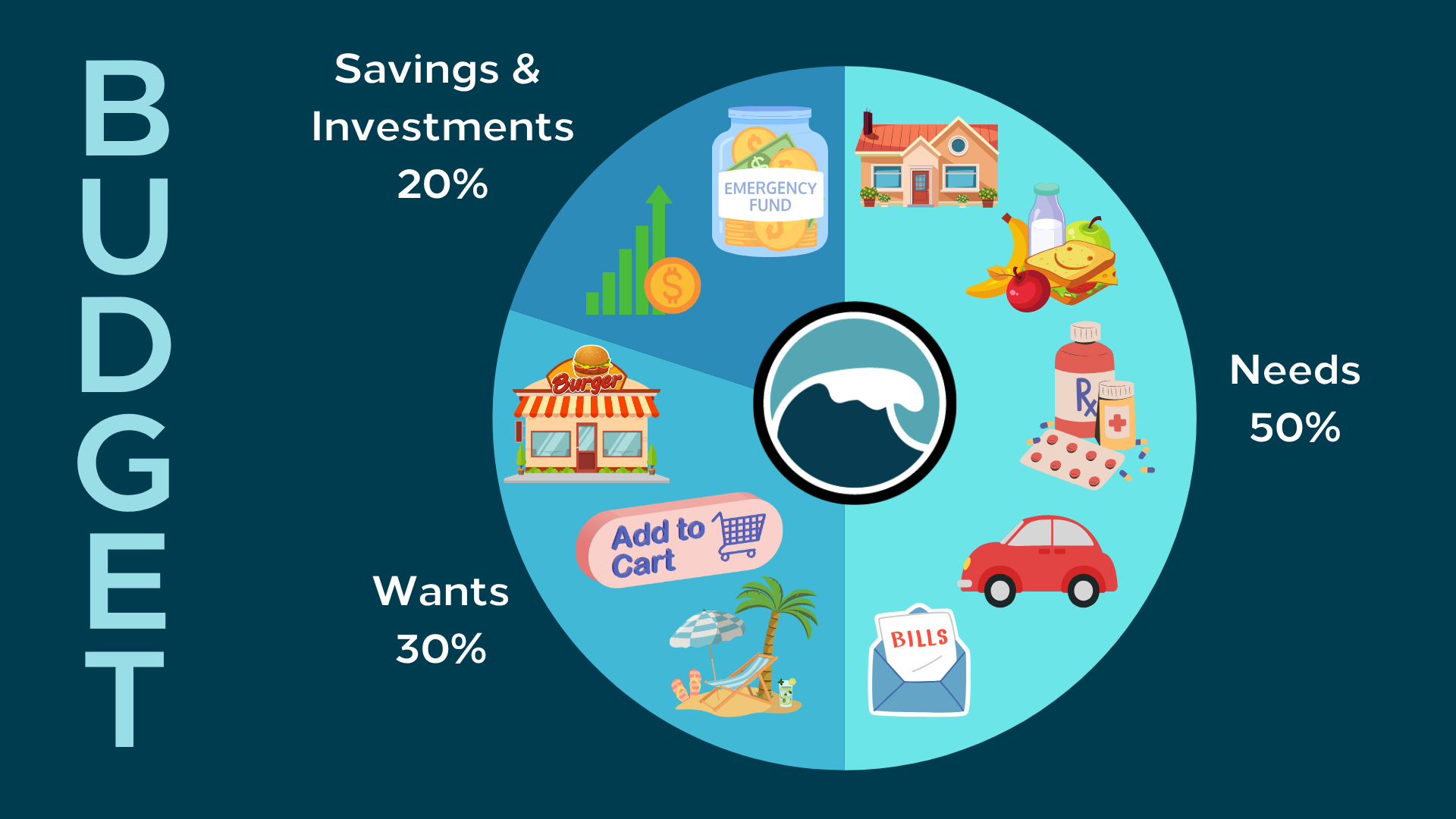
One of the most popular budgeting methods, the 50/30/20 Rule is a simple budgeting framework that divides your monthly net income (take-home pay) into three distinct spending categories, 50% for needs, 30% wants, and 20% for saving and debt repayment.
50% Needs: Needs include essential expenses that you cannot live without, including rent or mortgage payments, groceries, utilities, insurance, and minimum debt payments.
30% Wants: Wants refer to your discretionary spending on lifestyle choices. This includes things like entertainment, hobbies, vacations, and subscription services.
20% Savings & Debt Repayment: Your remaining income should be used to support your future. For example, you could use this money to start an emergency fund, contribute to a retirement account, or save for a down payment on a home. Another great option is depositing money into a high-yield savings account or a share certificate to help your money grow.
Debt repayment also belongs in this category, as paying down debt beyond the minimum payment amount can positively impact your credit score and reduce the total amount of repayment interest you will have to pay.
The Pay Yourself First method is a simple, hassle-free budgeting strategy that treats your savings like any other monthly bill. Instead of saving what’s left over at the end of the month, transfer a predetermined amount into your savings account as soon as you get paid.
Using the 50/30/20 Rule as a guide, consider saving 20% of your take-home pay if your budget allows. If that isn’t realistic right now, start with an amount you can comfortably afford.
Once you’ve paid yourself, use the remaining income to cover your needs first, then your wants. This approach helps ensure you’re consistently building savings while still budgeting for everyday expenses and the things you enjoy.
The envelope budgeting method helps you stay in control of your spending by assigning every dollar a purpose before you spend it. Traditionally, people would place cash into labeled envelopes for different spending categories. Once an envelope was empty, they stopped spending in that category until the next month.
Today, envelope budgeting doesn’t have to involve physical cash. Many people use separate checking or savings accounts, budgeting apps, or digital “buckets” within their bank account to organize their money the same way.
When identifying your spending categories, think about the expenses you regularly pay each month. Common envelope categories include housing (rent or mortgage), utilities, groceries, gas and vehicle maintenance, dining out, entertainment, and savings goals.
The goal is simple: give every dollar a job and stay within the amount you’ve assigned to each category. If you find yourself overspending in one envelope during the month, don’t be discouraged. Use it as an opportunity to learn and adjust your budget for the following month. Keeping track of your spending and reviewing your transactions regularly can help you identify patterns, make informed changes, and create a budget that works better for your lifestyle over time.
Budgeting isn’t about restricting yourself or getting everything right the first time. It’s about understanding where your money goes and making intentional decisions that support your goals.
Life changes, and your budget should too. Some months you’ll spend more in one category than you planned, while other months you’ll have opportunities to save a little extra. The important thing is to review your budget regularly, make adjustments when needed, and keep moving forward. Over time, even small changes can make a big difference in your financial future.